Application Overview
This illustrative scenario shows the questions to resolve when specifying a hydraulic dump semi trailer for construction material transport in Saudi Arabia. It does not describe a completed order or a confirmed customer requirement.
Questions to Confirm
- Material type, bulk density and target payload
- Highway and site-road conditions, gradients and turning space
- Tractor compatibility and local weight and dimension rules
- Unloading area, ground stability and tipping clearance
Configuration Options to Discuss
- Confirm body volume and structure after the material and payload are known
- Select axles, suspension, tires and brakes against the route and legal limits
- Review hydraulic cylinder, tailgate and tipping geometry with technical drawings
- Agree on inspection, shipping and service requirements before production
Planning Checklist
| Market context | Saudi Arabia |
|---|---|
| Product type | Hydraulic dump semi trailer |
| Typical application | Loose construction materials |
| Payload | To be confirmed from material and legal limits |
| Axle and suspension | To be selected for route and tractor |
| Body dimensions and volume | To be confirmed by drawing |
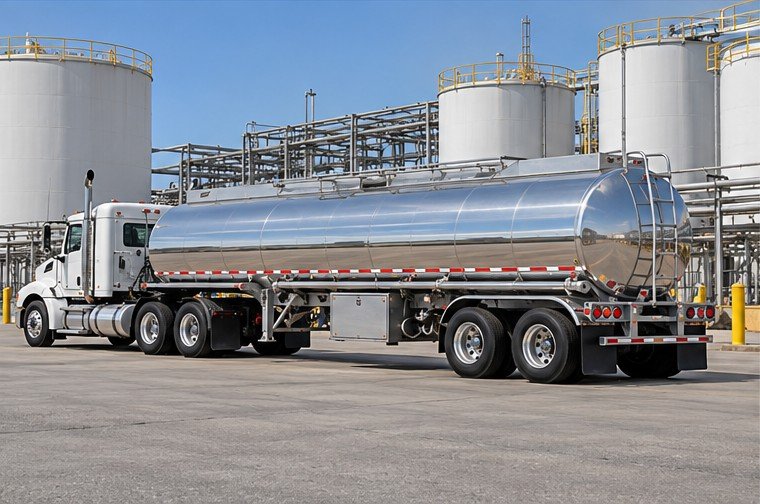
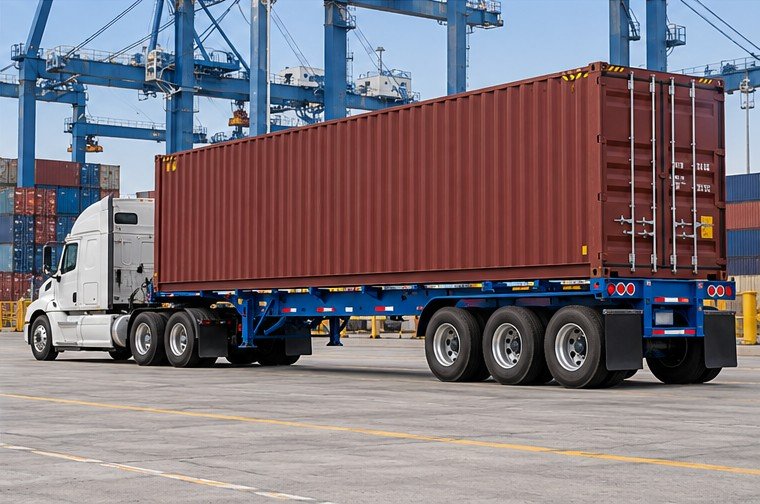
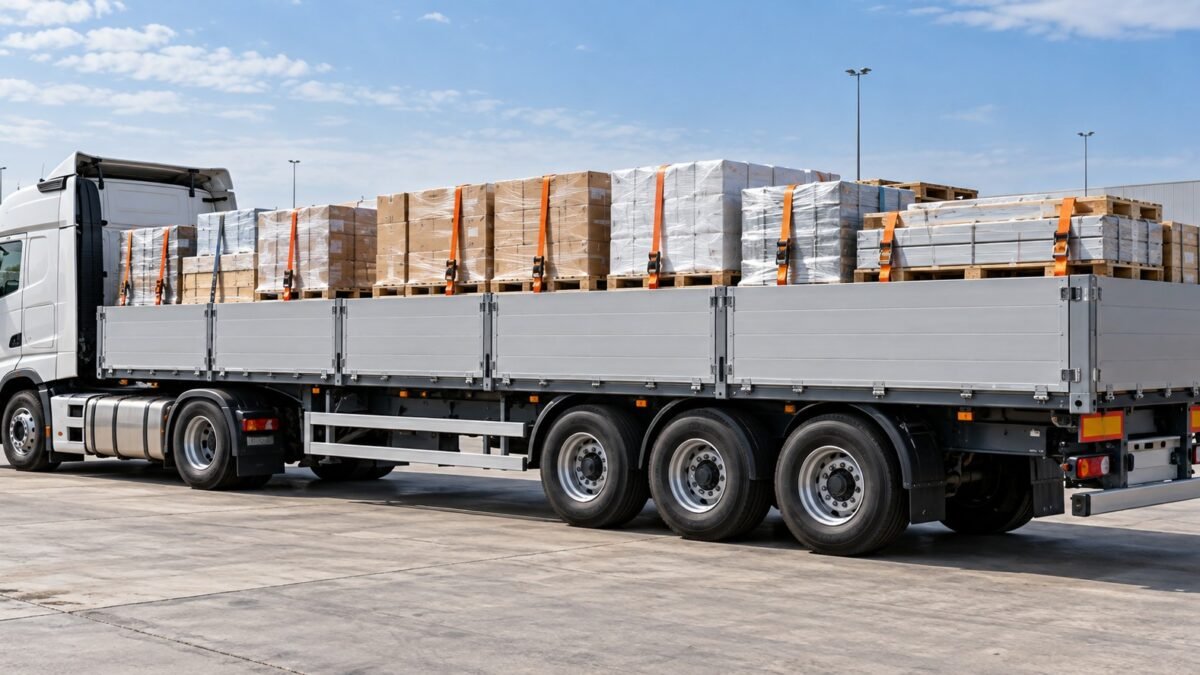
Application Visual

Illustration for transport planning; no customer delivery is documented here.
Selection Guide
Define the material and operating cycle
A hydraulic dump semi trailer can be considered for moving loose construction materials such as sand, aggregate or excavated soil. The first step is to identify the actual material, its bulk density, the intended payload, the loading equipment and the number of tipping cycles per day. These inputs determine the body volume and structure; a volume selected without the material density can lead to an overloaded trailer.
Match the trailer to the route
For a Saudi Arabian application, the buyer should identify the operating region, highway and site-road conditions, gradients, turning space, ambient temperatures and applicable weight and dimension rules. Axle count, suspension, tires and braking equipment should then be discussed against the permitted gross combination weight and the tractor unit. No axle count, payload or body size is confirmed for this example.
Review the tipping system and site safety
The hydraulic cylinder, tipping angle, tailgate, body floor and side walls should be selected for the material and unloading method. Stable, level ground and safe clearance are essential for tipping. Ask the supplier for a drawing that shows the body dimensions, tipping geometry, hydraulic components and maintenance access before approving manufacture.
Prepare a useful quotation request
Send the material and target payload, tractor model and fifth-wheel height, expected route, unloading area, required delivery destination and any local compliance requirements. ZONHAN can use those details to propose a configuration and confirm which options are available. Request final technical drawings and a written specification before placing an order.
Plan for heat, dust and the available service network
High ambient temperature and dusty worksites can make maintenance access and component selection especially important. Ask how the proposed hydraulic hoses, seals, electrical connections and paint system will be protected in the intended environment. Discuss tire suitability and the availability of replacement parts along the route. The answer should come from the actual component specifications and local operating requirements, not from a generic claim that every export trailer is suitable for every climate. Record the agreed inspection points in the handover documents so the operator can check the same items consistently.
Confirm loading, unloading and weight distribution
Describe whether the trailer will be loaded by excavator, wheel loader or another machine, and whether the material is wet, compacted or variable in density. These details affect body wear, practical volume and the position of the load. Ask the supplier to show how the loaded combination distributes weight between the tractor, kingpin and trailer axles for the proposed configuration. At the unloading site, confirm overhead clearance and the space needed for the raised body. The operator should follow the equipment manual and site safety procedures; this planning guide does not establish a safe tipping angle or a rated payload.
Agree on inspection and delivery evidence
Before shipment, review the approved drawing against the finished trailer: body dimensions, axle and suspension model, tire specification, hydraulic components, tailgate arrangement and identification markings. Request photographs of the completed unit and the tests or inspection records specified in the purchase agreement. Confirm who checks export documents and destination registration requirements. If the buyer needs a particular spare-parts kit or operator training, include that requirement before production rather than treating it as an afterthought.
Related trailer products
A hydraulic dump semi trailer design also depends on the running gear. Review the 16 Ton Heavy Duty Trailer Axle and Mechanical Suspension System as component references. Their suitability for a particular body, payload and route must be confirmed in the complete trailer drawing and written specification.