
Export Documents
Export Document Support for Semi Trailer Orders
Common documents and communication points for semi trailer export orders.
Introduction
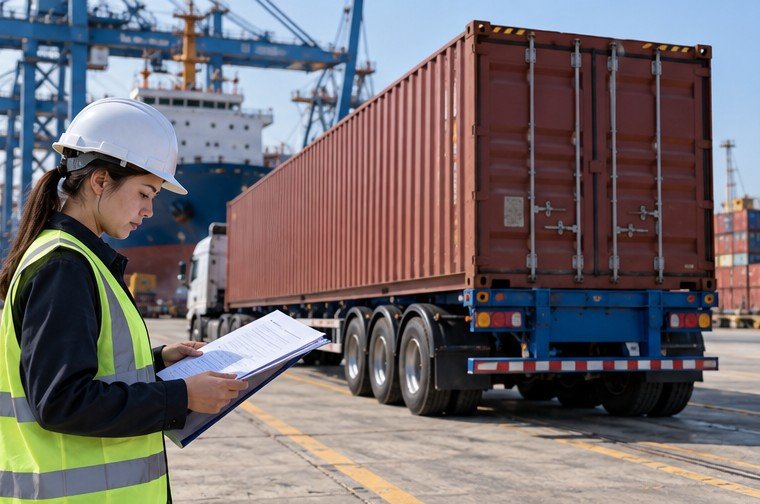
When managing semi-trailer export orders, clear and consistent documentation is essential to ensure smooth logistics, compliance with international standards, and accurate delivery. This guide outlines the key documents and communication points that should be included in every export order, helping to prevent delays, misalignments, and misunderstandings between suppliers, carriers, and customers.
Key Export Documents
Every export order must include the following core documents:
- Commercial Invoice: This document details the goods being shipped, including product description, quantity, unit price, and total value. It is required for customs clearance and payment processing.
- Packing List: Provides a breakdown of the contents of each shipment, including item numbers, dimensions, and weight. This supports accurate inventory and loading procedures.
- Transport Documents: Includes the bill of lading (for sea freight) or air waybill (for air freight), which confirm the shipment’s origin, destination, and handling instructions.
- Origin and Inspection Documents: Where applicable, such as for vehicles or specialized trailers, these confirm manufacturing standards, quality checks, and compliance with local regulations.
Destination Registration and Compliance
Before shipment, ensure that the destination country’s registration requirements are met. This may include vehicle type approvals, emission standards, or specific labeling rules. For semi-trailers, especially those with specialized payloads like fuel tanks or containers, compliance with destination regulations is critical. Always verify these requirements with local authorities or freight partners.
Responsibilities and Incoterms
Clearly define responsibilities between buyer and seller using Incoterms (e.g., FOB, CIF, DDP). For example, under FOB, the buyer assumes responsibility once goods are loaded at the port of origin. Misalignment here can lead to disputes. Assign named responsibilities for tasks such as loading, customs clearance, and delivery to avoid confusion during transit.
Matching Chassis and Product Details
Ensure all documents consistently reflect the trailer configuration. For instance, when ordering a 3-axle skeleton container trailer or a 3-axle fuel tank semi-trailer, the product type, chassis number, payload capacity, and dimensions must match across the commercial invoice, packing list, and transport documents. Any discrepancies can result in delays or rejections at customs.
Review document drafts before shipment
Before dispatch, compare the draft invoice, packing list and transport instructions against the final product identification and approved drawing. Confirm the consignee name, destination, shipment terms and the party responsible for each certificate. Ask the freight forwarder and local importer which originals or electronic copies they need and when. Requirements vary by country and cargo, so this checklist supports planning but does not replace advice from the customs broker or competent authority.
Conclusion
Proper documentation is not just a procedural step—it is a foundation for reliable international shipping. By aligning commercial, transport, and compliance documents with the actual trailer specifications and route requirements, exporters can reduce risk and improve delivery accuracy. Always refer to the approved technical drawing and route-specific conditions when finalizing the export package. Final configuration depends on the route, payload, and approved drawing, so coordination with logistics partners is essential.