
Buying Guide
How to Choose a Low Bed Semi Trailer
A practical guide for comparing loading capacity, axle quantity, ramp type and chassis strength.
Understanding Your Transport Needs
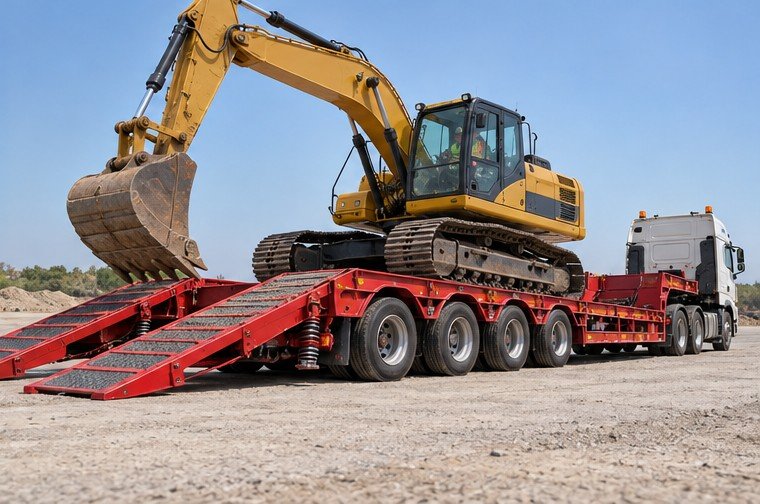
Choosing the right low bed semi-trailer depends on your specific equipment transport requirements. Whether you’re moving heavy machinery, construction materials, or industrial components, it’s essential to evaluate payload, loading dimensions, and route restrictions. The trailer must match the size and weight of your cargo to ensure safe and efficient operations.
Key Factors in Trailer Selection
Start by assessing your payload capacity—this includes both the base load and any attachments like cranes or lifts. A trailer with insufficient capacity can lead to unsafe overloading or legal violations. Always consider the total weight, including the equipment, securing hardware, and any temporary attachments.
Next, examine loading dimensions such as deck height and bed length. These determine whether your trailer can fit through narrow gates, under bridges, or into tight loading bays. For example, a low deck height may be necessary for urban deliveries, while longer beds suit large equipment transport.
Axle Configuration: Three or Four Axles?
Three-axle trailers are common for mid-range loads and offer a good balance of capacity and maneuverability. Four-axle models are typically used for heavier payloads and longer routes, providing better weight distribution and improved road stability. However, neither configuration is universally superior—your choice should depend on your route, payload, and local regulations.
Always consult your approved engineering drawing to confirm axle spacing and load distribution. Route-specific limits, such as bridge clearances or weight thresholds, may influence whether a three- or four-axle trailer is appropriate.
Critical Safety and Operational Features
Look for reliable suspension systems, effective braking, and durable tires designed for heavy-duty use. A well-designed suspension improves ride quality and reduces wear on both the trailer and your vehicle. Brake systems must be capable of handling the trailer’s weight, especially on long descents.
Ensure the coupler is compatible with your towing vehicle and meets safety standards. Ramps should be properly rated for the load and designed to prevent tipping or damage during loading. Ground clearance is also vital—insufficient clearance can cause damage when navigating uneven terrain or low-clearance roads.
Always Review the Approved Drawing
Never assume a trailer meets your needs without reviewing the official engineering drawing. This document specifies exact dimensions, axle loads, and load limits. It also outlines compliance with local regulations and safety standards.
For reliable, engineered low bed semi-trailer options, visit our 3-axle low bed semi-trailer or explore the 4-axle heavy-duty model. Both are designed with real-world transport conditions in mind.
Conclusion
Choosing a low bed semi-trailer requires careful evaluation of payload, dimensions, route constraints, and safety features. Always base your decision on a detailed engineering drawing and consult with your operations team. The right trailer ensures safe, compliant, and efficient transport of your equipment—whether for construction, logistics, or industrial use.