
Operation Knowledge
Flatbed Semi Trailer Loading Knowledge
Key points for cargo loading, container transport and side wall/stake configuration.
Understanding Legal Weight and Load Distribution
When loading a flatbed semi-trailer, it’s essential to adhere to local legal weight limits and ensure proper load distribution. Exceeding these limits can result in fines, vehicle damage, or unsafe road conditions. The total weight of the trailer, including cargo and equipment, must not surpass the maximum allowable gross vehicle weight (GVW) specified by transportation authorities. Load distribution should be balanced across all axles to prevent overloading on any single axle, which can compromise braking efficiency and increase the risk of rollover.
Container Twist Locks and Secure Fastening
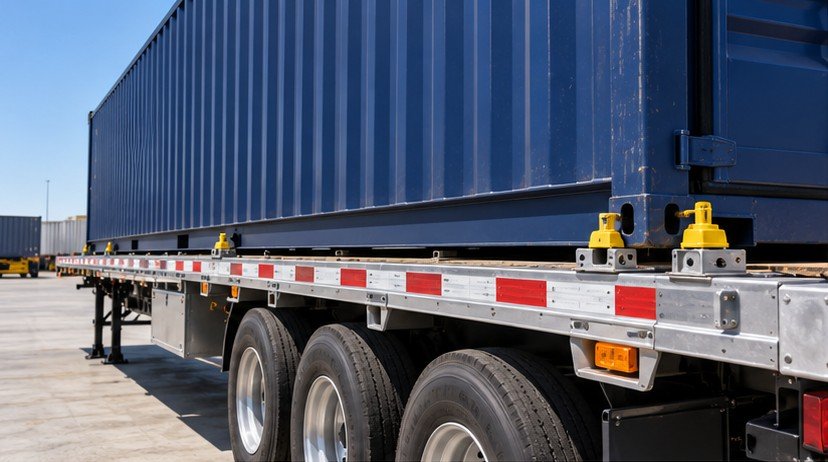
If transporting containers, secure twist locks are critical for safety. Each container must be properly engaged with the trailer’s locking system to prevent shifting during transit. Always verify that twist locks are fully seated and locked in place before departure. For 40ft container flatbed trailers, ensure compatibility between the container and the trailer’s locking mechanism. Misalignment or improper engagement can lead to container detachment, posing serious safety risks.
Straps, Chains, and Cargo Securing
Use of straps, chains, or tie-downs is mandatory for all cargo, especially when transporting irregular or heavy loads. These securing methods prevent movement during braking, acceleration, or turns. The strength and placement of straps should be based on cargo weight and shape. Always follow manufacturer guidelines for load securing, and ensure that all fasteners are inspected before each trip. Proper securing reduces the risk of cargo shifting and potential accidents.
Side Wall or Stake Options
Some flatbed trailers offer side wall or stake configurations to provide additional support for cargo. Side walls are ideal for protecting fragile or stackable items, while stakes are better suited for securing bulk or long loads. The choice depends on the nature of the cargo and route conditions. Always confirm that the selected configuration is compatible with the trailer’s design and approved load drawings.
Platform Dimensions and Axle Compatibility
Platform dimensions vary by model and must be verified before loading. For example, a 3-axle flatbed semi-trailer from ZONHAN’s 3-axle flatbed range may have specific width and length constraints. Axle spacing and suspension type must also match the cargo’s weight and distribution to maintain stability and comply with road regulations.
Route Conditions and Pre-Dispatch Inspections
Route conditions—including road gradients, bridges, and narrow passages—can affect load capacity and configuration. Always conduct a pre-trip inspection to check for damage, proper fastening, and correct load positioning. A complete dispatch checklist should include verification of legal weight, secure cargo, and all safety equipment. Final configuration must be based on the approved drawing, route, and payload specifications.
Conclusion: Safe and compliant loading of flatbed semi-trailers requires careful planning, adherence to legal limits, and attention to cargo security. Always refer to the trailer’s approved technical drawings and consult with local transport regulations. By following these guidelines, operators ensure safety, efficiency, and compliance throughout the journey.