
Maintenance Tips
Dump Semi Trailer Hydraulic System Tips
Basic knowledge for hydraulic cylinder, lifting system and chassis inspection.
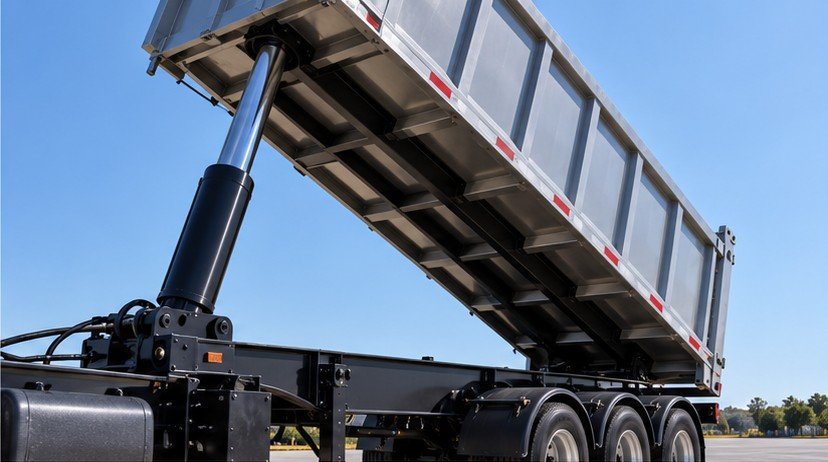
Understanding the Hydraulic System in Dump Semi Trailers
The hydraulic system in dump semi trailers is critical for safe and efficient operation. It powers the lifting and tilting of the cargo body, and its reliability directly impacts both performance and safety. Key components include the hydraulic cylinder, power take-off (PTO), hoses, and control valves. Regular inspection and maintenance of these elements ensure the system functions reliably under varying conditions.
Inspecting Hydraulic Cylinders and PTO
Hydraulic cylinders must be checked for signs of wear, corrosion, or internal leakage. Look for visible damage, such as dents or cracks, and ensure the piston rod moves smoothly. The power take-off unit, which transfers engine power to the hydraulic pump, should be inspected for proper engagement and vibration. Any unusual noise or overheating may indicate a malfunction that requires immediate attention.
Checking for Leaks and Proper Hose Routing
Leaks are a common issue and can lead to loss of pressure, reduced lifting capacity, or even system failure. Inspect all hydraulic hoses and fittings for signs of bulging, cracking, or fluid seepage. Hoses should be routed securely to avoid abrasion or kinking, especially in high-motion areas. Poor routing can cause premature wear and increase the risk of failure during operation.
Ensuring Structural Integrity and Stable Ground
The trailer’s frame and pivot points must support the hydraulic load during lifting. Before raising the body, verify that the trailer is on a level, stable surface. Uneven ground can cause stress on the pivot points and lead to premature wear or structural damage. Always follow manufacturer guidelines for ground conditions and load distribution.
Safe Lifting and Load Management
Never raise the body when the load is uneven or improperly secured. This increases the risk of tipping and can damage the hydraulic system. Always ensure the cargo is balanced and fully supported. When lifting, follow the manufacturer’s recommended procedures, including the use of safety locks and proper body positioning.
Temperature and Environmental Effects
Extreme temperatures can affect hydraulic fluid viscosity and system performance. In cold weather, fluid may thicken, reducing flow; in hot conditions, it can degrade faster. Regular fluid checks and timely changes help maintain system efficiency. Always refer to the approved technical drawings and service manuals for temperature-specific guidance.
Maintenance and Qualified Service
Keep a detailed maintenance log that records inspections, fluid changes, and repairs. This helps track system health and identify recurring issues. Only qualified technicians with proper training and access to the manufacturer’s service documentation should perform hydraulic system work. For reliable support and component solutions, refer to ZONHAN’s heavy-duty trailer axle and mechanical suspension system options, which are designed to complement and support robust hydraulic performance.
Conclusion: A safe and effective dump semi trailer operation depends on a well-maintained hydraulic system. Always prioritize inspection, proper load handling, and adherence to manufacturer guidelines. Final configuration and performance are dependent on the specific route, payload, and approved technical drawings. Regular maintenance and qualified service ensure long-term reliability and safety.